
Reverse logistics that’s built for telecom equipment (not generic freight)
The difference isn’t “we can transport returns.” The difference is what happens after arrival: intake discipline, correct identification, correct routing, and controlled handling — so assets don’t vanish, get misrouted, or come back as expensive surprises.
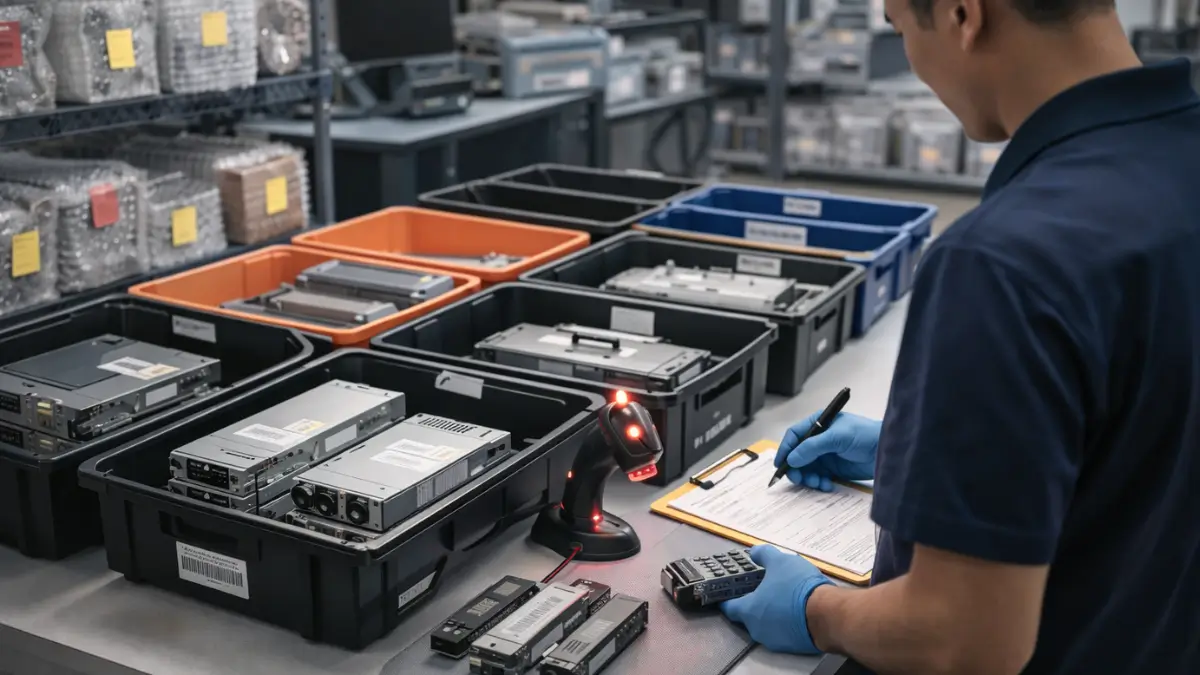
Reduce missing assets and “mystery stock” by keeping items tied to manifests and routing decisions (where applicable).
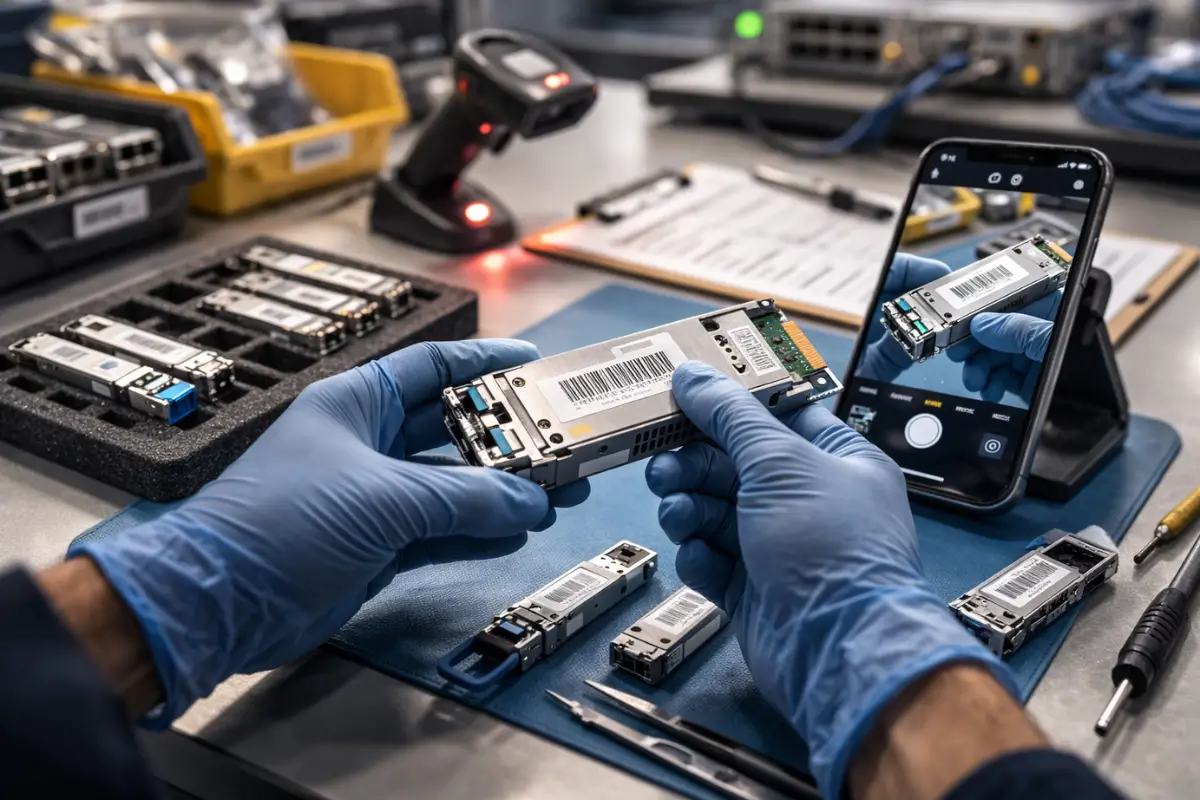
Capture identifiers like serial/CLEI/labels where applicable to support accurate lifecycle tracking and routing.
Screening + grading supports faster decisions: repair/refurb, spares harvesting, redeploy, or compliant disposal (scope dependent).
Component-level repair/refurb capability supports higher recovery value than “swap-and-scrap” approaches (program scope applies).
Handling protocols appropriate to electronics reduce damage risk in storage and transit — especially for boards, modules and optics.
Recovered assets can feed spares sourcing and redeploy-ready stock strategies so your network team isn’t stuck hunting parts.

Who reverse logistics is for — and what good looks like
Different teams measure success differently. We align reverse logistics to your KPI — whether that’s restore-to-service speed, RMA compliance, or recovery value.
Restore-to-service without the chaos
Faster routing decisions and fewer wrong-part loops — so outages don’t become week-long scavenger hunts.
- Speed: triage + routing aligned to maintenance windows.
- Control: fewer missing assets via intake discipline.
- Continuity: spares recovery feeds redeploy stock where viable.
Cleaner RMAs, fewer disputes, predictable routing
Returns arrive identified and documented — reducing delays, rejections, and avoidable non-warranty charges.
- Compliance: documentation aligned to RMA requirements (where applicable).
- Routing: correct destination, fewer misroutes and hold-ups.
- Visibility: reporting cadence that prevents where is it escalations.
Edge/CPE continuity with fewer truck-roll repeats
Returns management that supports field swaps, stock control, and spares availability so SLAs don’t get wrecked.
- Inventory: clearer view of what’s recoverable and redeployable.
- Downtime: faster replacements reduce repeat site visits.
- Cost: reuse/refurb options where viable reduce spend.
Asset recovery that protects value and reduces risk
For large estates and refresh cycles: traceability, consistent outcomes, and compliant end-of-life handling where required.
- Traceability: keep assets tied to chain-of-custody workflows.
- Recovery: repair/refurb or harvest routes where applicable.
- Disposal: compliant routing for irreparable end-of-life assets.
Intake discipline + traceability reduce disappearing assets and misroutes.
Triage + routing decisions happen earlier, not after weeks of storage.
Repair/refurb and spares recovery routes increase reuse where viable (scope dependent).
Identification, triage, and traceability — the difference between recovery and write-off
Reverse logistics isn’t moving boxes. It’s controlled intake, correct identification, triage discipline, and the right routing decision — so you reduce loss, prevent damage, and shorten restore-to-service cycles.
Reduce missing units and mislabels with structured intake and reconciliation.
Serial/CLEI/labels captured so triage and routing happen faster.
Repair, refurb, harvest, redeploy, or dispose — based on condition and scope.
Status clarity reduces disputes and speeds decision-making.
What control means in real telecom operations
The goal is simple: fewer lost assets, faster turnaround, and cleaner routing decisions. Checks are applied based on item type and agreed scope.
Fast, compliant telecom logistics for returns, RMAs, and cross-border routing
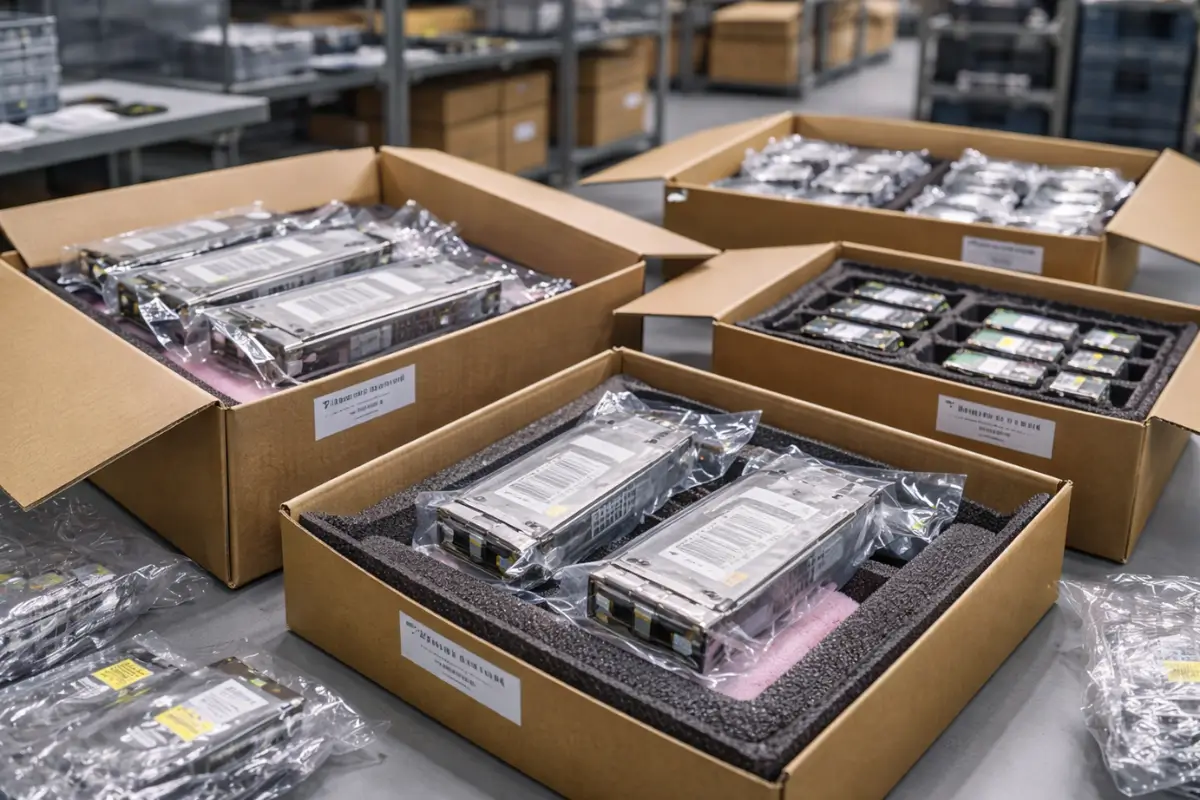
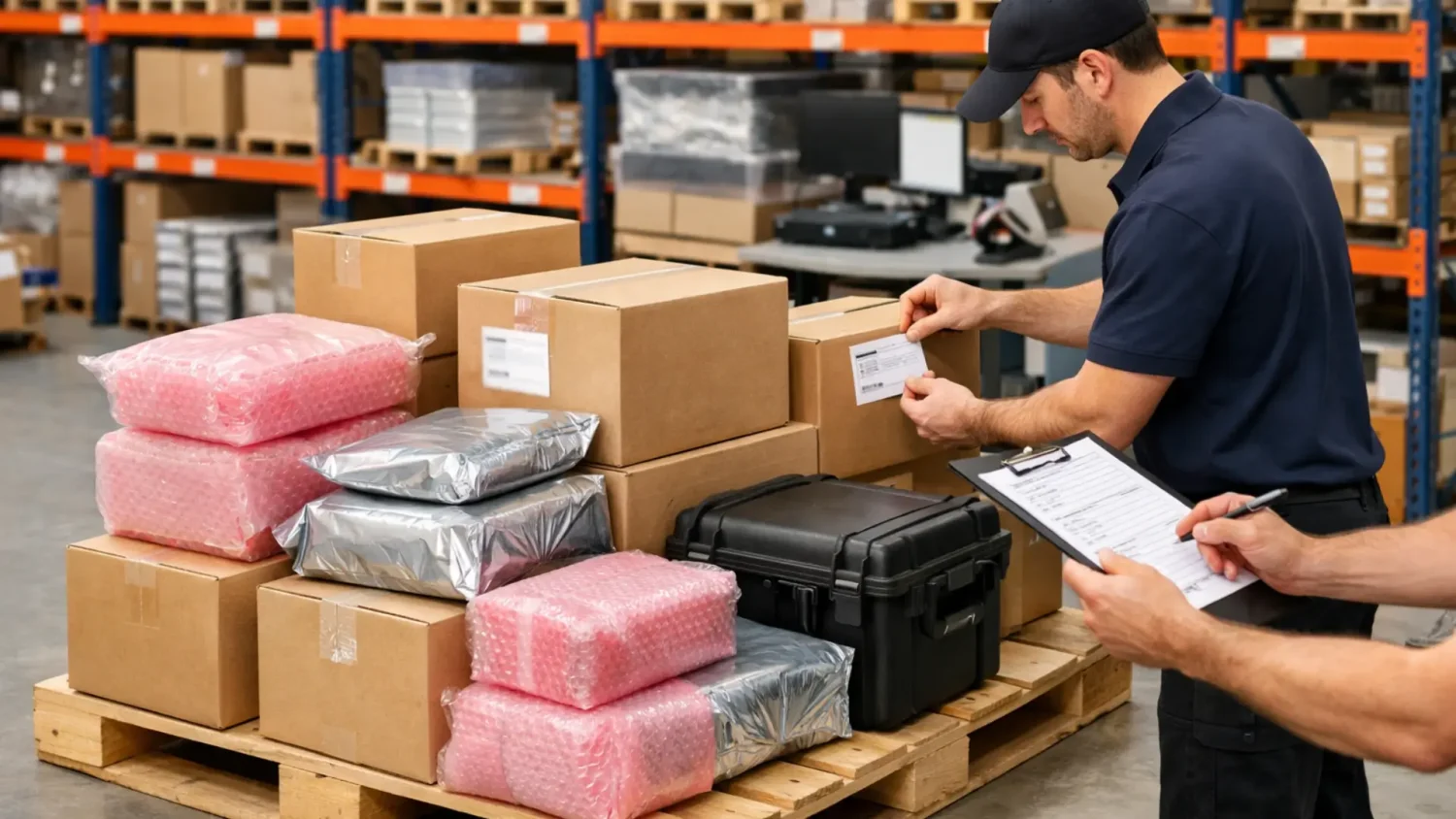
Reverse logistics lives or dies in transit. We move returns with controlled packing, clear labeling, and the right documentation — so equipment arrives intact and can be routed without delays (scope dependent).
- Packaging: protection appropriate to electronics category and sensitivity.
- Labeling: keep units tied to paperwork to reduce disputes.
- Routing: align movement to triage, OEM repair, redeploy, or disposal outcomes.
- Transit damage: avoids unnecessary scrapping and rework loops.
- Missing docs: reduces customs/RMA hold-ups where applicable.
- Misroutes: prevents wrong OEM, wrong site, wrong destination chaos.
Transport checklist (reverse logistics-grade)
Steps applied based on item type, destination, and scope. The aim: intact arrival, fast triage, and fewer hold-ups.
- Manifest alignment (what’s shipped = what’s received)
- Label consistency (unit, paperwork, consignment)
- Protection appropriate to electronics sensitivity
- Chain-of-custody discipline during movement
- Customs docs prepared where cross-border applies
- Routing plan aligned to urgency/SLA windows
Movement options aligned to your turnaround targets
We recommend routing based on urgency, destination, and program scope — then confirm lead time and steps in the plan.
Fastest viable collection and movement to triage/repair based on region and constraints.
Aligned to maintenance windows so returns and redeploy-ready stock move predictably.
Documentation support and routing planning where international movement is required.
Start a reverse logistics program — fast onboarding, clear scope, clean workflow
Send your sites, asset types, and returns volumes. We’ll confirm intake requirements, tracking fields, routing rules, and expected turnaround outcomes (repair/refurb/spares recovery/disposal) based on program scope.
Send sites + asset types + volume + urgency + pain points.
Confirm tracking fields + intake rules + routing logic + scope.
Launch collections + intake + triage + reporting rhythm.
Improve outcomes: fewer losses, faster turnaround, better recovery value.
Copy/paste this onboarding template
Drop this into email or the contact form — it’s built to reduce back-and-forth.
Company:
Sites/regions:
Asset types (RAN/transport/IP/CPE/other):
Estimated monthly volume:
Current returns process (brief):
Tracking fields available (serial/CLEI/asset tag):
Warranty/RMA requirements:
Repair/refurb/spares recovery required (yes/no):
Cross-border movement (yes/no + countries):
Reporting cadence (weekly/monthly):
Urgency/SLA windows:
What you get back (ops + procurement friendly)
A defined workflow with tracking fields, routing outcomes, and reporting cadence — so stakeholders stop guessing.
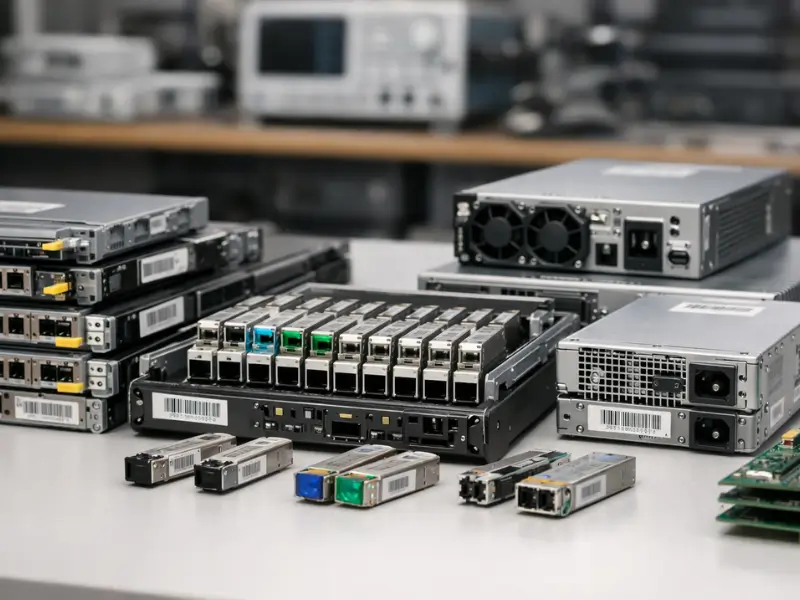
Collection → intake → triage → repair/harvest → redeploy or compliant disposal
The fastest way to reduce losses is to run returns through a single lifecycle workflow. We support end-to-end programs where applicable — scope confirmed during onboarding.
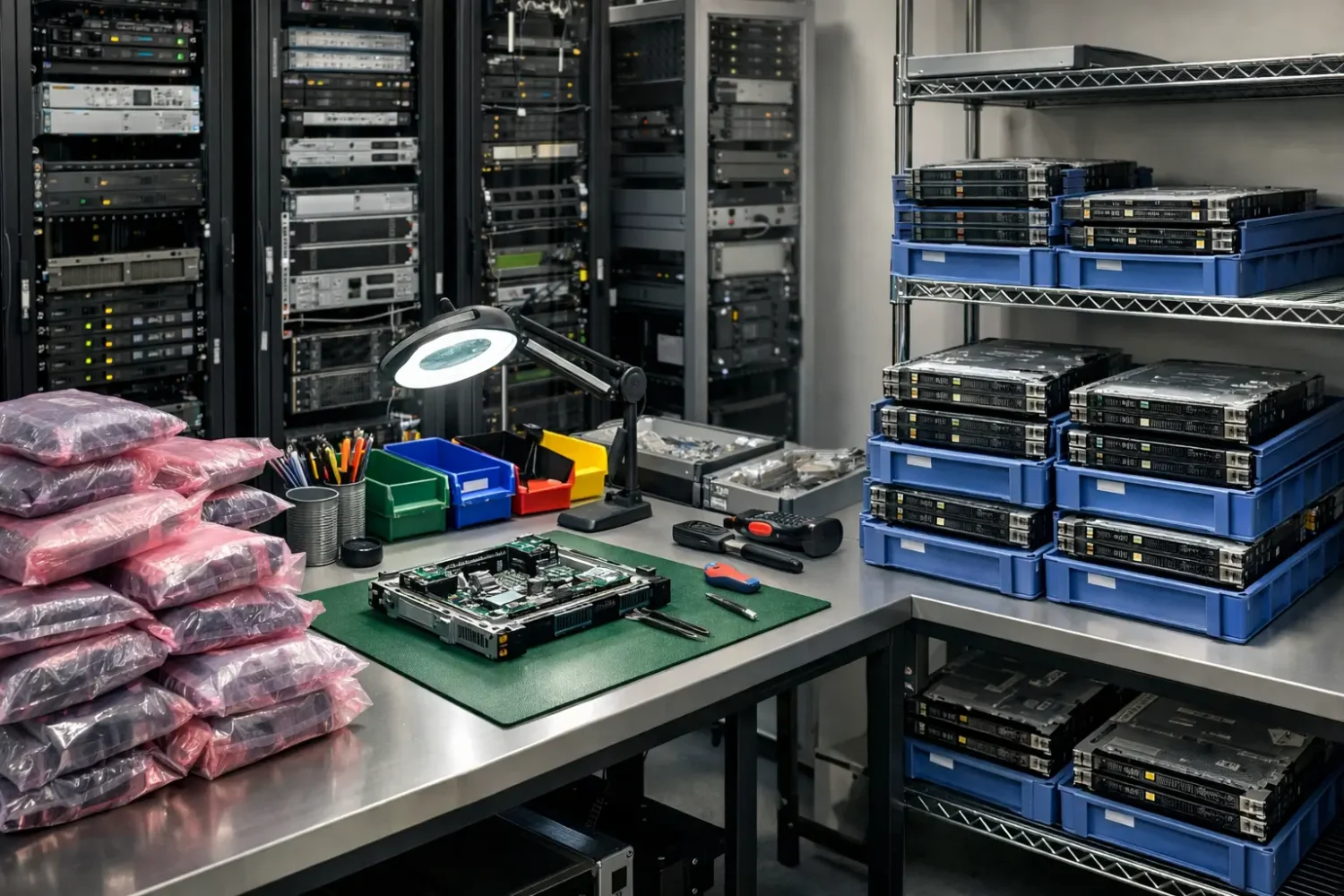
1) Collection & intake
Get equipment off-site and into a controlled environment fast.
- Site pickups: aligned to regions and SLA windows.
- Intake discipline: reconcile against manifests where applicable.
- Protection: reduce damage risk during movement and handling.
2) Identification & grading
Log what it is, what condition it’s in, and what to do next.
- Serial/CLEI/labels: captured to reduce unknown assets.
- Screening: grade units to route correctly.
- Decision speed: shorten time-to-outcome.
3) Recovery route
Choose the best value path based on condition and program scope.
- Repair/refurb: restore to deploy-ready where viable.
- Spares harvesting: recover reusable components where agreed.
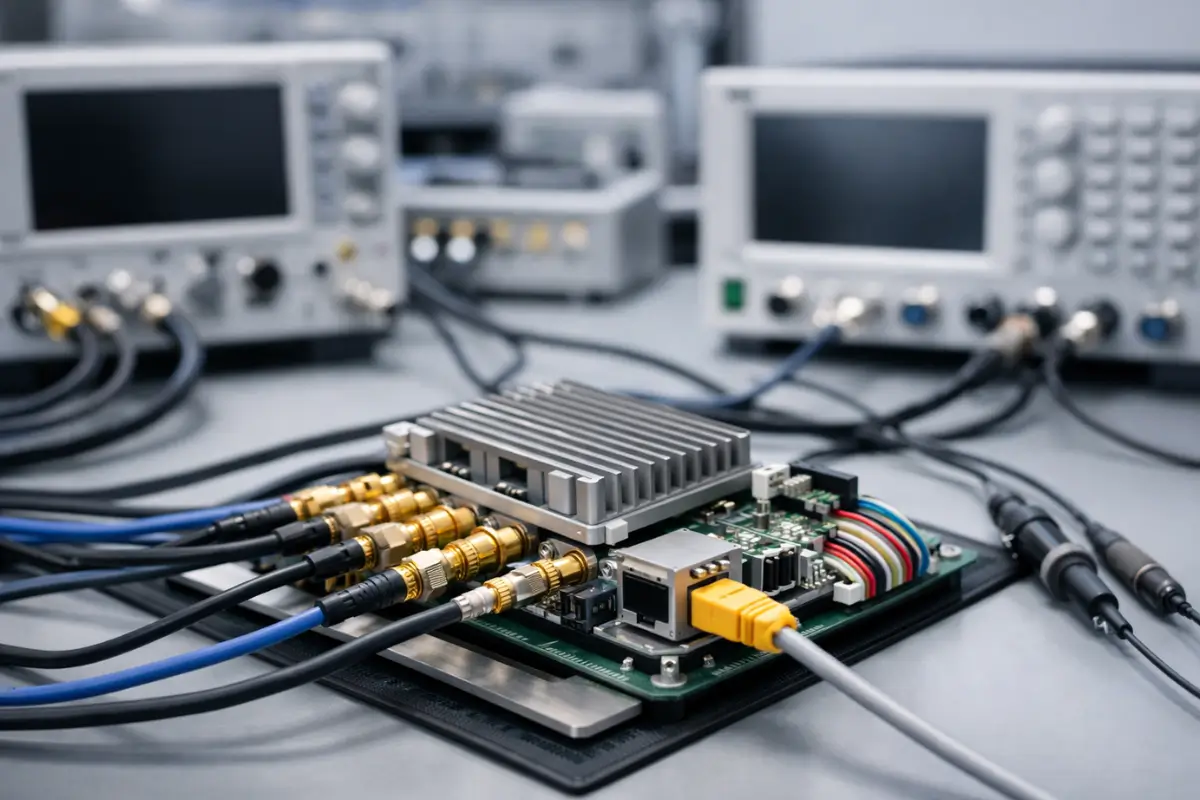
- QA checkpoints: verification aligned to item type.
4) Redeploy or compliant disposal
Get value back into the network — or dispose responsibly with traceability.
- Redeploy-ready stock: reduce stock-out downtime.
- Documentation: status clarity for stakeholders.
- Certified disposal: compliant end-of-life handling where applicable.
Intake + ID discipline reduces missing assets and misroutes.
Triage routing speeds repair/refurb/harvest outcomes.
Repair + reuse + harvesting options reduce write-offs where viable.

Trusted Telecom Partner for OEM-Compliant Telecom Equipment Repairs, Telecom Equipment Refurbishment, Same-Day Telecom Spare Parts Access, and Sustainable Telecom Equipment Lifecycle Management